Upcoming Stories in the Summer Edition
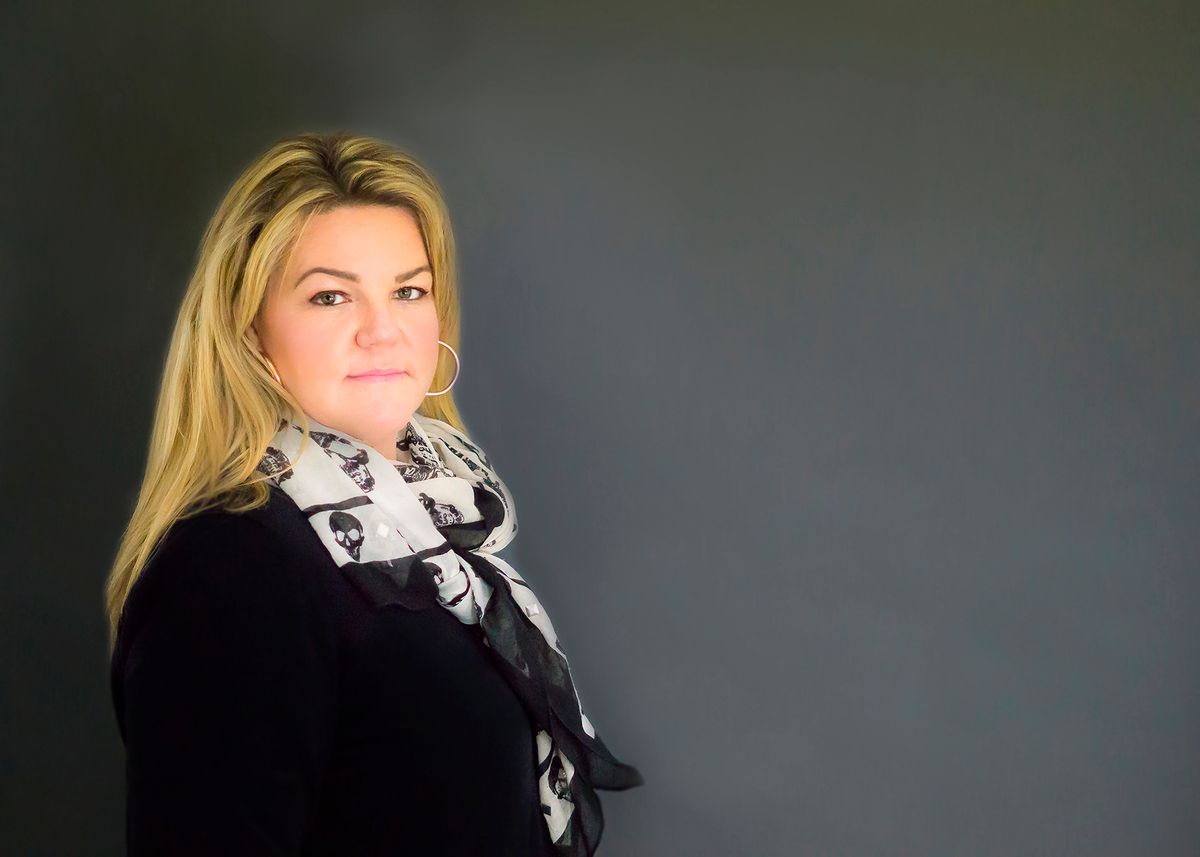
The photo above is courtesy of Lynnae King, who writes for the first time in the upcoming Summer 2026 edition of the magazine. Growing up on a ranch in Colorado, King is 19 years old and homeschooled. She drives tractor, helps care for their cattle, and has a natural photographer’s eye. We’re excited to introduce you and are confident you’ll enjoy her story. Make sure you’ve subscribed so your magazine will arrive the first week of May.
She Once was Lost…a really good mule comes home
A mule that disappeared in the Nevada backcountry nearly three years ago is finally home after an unlikely reunion that started with a helicopter ride over Horse Creek in Central Nevada.
Rancher Jack Payne shared the story on social media after spotting the mule during routine ranch work. A few years ago, an older gentleman camping near Horse Creek lost his Molly mule while she was still wearing a saddle. The man spent months searching the rugged country trying to find her, and friends formed a search party and helped look from the air with a helicopter, but there was no sign. Eventually, most assumed the mule had gotten hung up somewhere in the brush or rocks and died after the saddle shifted.
While checking cattle out in the Alpines, Payne’s daughter Emily swung by Horse Creek to make sure none of their cattle had drifted onto a neighboring allotment. That’s when Jack received a text from daughter Emily, who riding along with a crew, spotted something unexpected: three cows, a bull, and a mule with a halter still on.
Payne posted the discovery online, hoping someone might recognize the story and help locate the mule’s owner. Within hours, social media did its job. Walt Weaver got in touch and confirmed the mule was his.
After nearly three years running wild in the Nevada mountains, a top hand was able to sort the mule out of a bunch of wild horses and took her to her owner. Weaver said he was able to walk up and halter her without much trouble, and she still leads well considering her long stretch on her own.
Home from her Grand Adventure, the errant mule is spending some time in the stall while she gets used to ranch life again.
JBS Beef Processing Plant Strike in Greeley, Colorado
We’re keeping an eye peeled on the strike at the plant, where workers walked off the job early Monday in what labor groups say is the largest U.S. meatpacking strike in years.
Roughly 3,000 members of United Food and Commercial Workers International Union Local 7 are involved in the strike at the Greeley facility, one of the largest beef packing plants in the country. The union says workers are seeking higher wages, improved safety standards, and stronger contract protections. JBS says it has offered a competitive contract and intends to keep the plant operating during the strike.
The Greeley facility processes a significant share of fed cattle from across the High Plains and Rocky Mountain region. Because of that scale, any prolonged disruption could ripple through the cattle supply chain. Packers like JBS sit at the center of the beef market, purchasing finished cattle from feedlots and moving boxed beef to grocery and export markets.
For now, analysts say the immediate market impact will depend on how long the strike lasts and whether the plant can maintain operations with replacement workers or management staff. Short interruptions may have a limited effect. A longer shutdown could temporarily slow cattle marketings in the region and tighten beef supplies.
The timing comes at a sensitive moment for the cattle industry. After years of drought and herd liquidation, ranchers are only beginning to talk about rebuilding cow herds. Industry reports suggest producers remain cautious because of high interest rates, feed costs, and market uncertainty. Any disruption in packing capacity can add another layer of uncertainty for cattle producers deciding whether to expand.
For ranchers and feeders across the West, the key question will be simple: how long the strike lasts, and whether one of the nation’s largest beef plants keeps cattle moving.
Shop the official RANGE merchandise store at the Great Basin Trading Co.
This week at the Great Basin Trading Co., we have the official RANGE coffee mug. Nice and big, so you can hunker down with your copy of the magazine and enjoy a warm cuppa-joy as you spend time with your favorite authors and beautiful stories.
Changes at Cheyenne Frontier Days
By Amber Hardin
Changes are coming to the arena at Cheyenne Frontier Days in Wyoming this summer, and as with most changes to long-standing traditions, the response from the rodeo community has been spirited.
Known as the “Daddy of ’Em All,” Cheyenne Frontier Days has been a celebratory cornerstone of Western culture since 1897. The 2026 event will run July 17–26 and will introduce a revised competition format that organizers say is designed to address a number of modern challenges facing large rodeos.
According to CEO Tom Hirsig, who began volunteering in the Cheyenne Frontier Days arena at just 10 years old, the change has been under discussion for several years and stems from several realities affecting rodeo production today including rising livestock costs, limited arena space, and changes in how contestants travel.
“Cattle prices are finally where ranchers can make a living,” Hirsig said. “That’s a good thing for agriculture, but it also means rodeos are paying significantly more for stock.”
He noted that last year, Cheyenne contracted roughly 275 calves for competition, with the cost of livestock alone exceeding $350 per calf roper. Unlike jackpot competitions, professional rodeos cannot deduct livestock costs directly from contestant entry fees, meaning rodeo committees carry much of the expense up front.
The situation has been further complicated by livestock shortages tied to border restrictions, which have reduced the availability of certain steers traditionally used in events such as steer wrestling.
Another factor causing major hurdles is space. Modern rodeo contestants often travel with large living-quarters trailers and equipment rigs, requiring significantly more room than the smaller setups common decades ago.
“We’ve been battling space for years,” Hirsig said. “The rigs are bigger, the footprint is bigger, and it makes accommodating large numbers of contestants much more difficult.”
The biggest change for 2026 comes in how contestants qualify to compete at the “Daddy of ’Em All.”
In past years, many of Cheyenne’s timed events relied heavily on slack rounds, large qualifying runs that allowed hundreds of competitors to enter before the field narrowed.
This year, organizers are shifting toward a bracket-style format that moves contestants through a series of progressive rounds. Rough stock events will largely remain unchanged, while timed events will advance competitors through preliminary rounds, semifinals, and a championship final.
Steer roping will remain the only event retaining slack rounds, with competitors narrowing to the top 12 for the final round during the performances.
Contestants in timed events will qualify through a combination of world standings, circuit placements, and a group of designated qualifying rodeos selected by the PRCA and WPRA. Winners from those events will automatically earn a spot at Cheyenne, while other competitors may qualify through standings or circuit rankings.
Hirsig said the goal is to maintain a strong competition format while ensuring the event remains sustainable for the long term.
At the same time, Cheyenne Frontier Days draws a uniquely broad audience. Hirsig estimates that roughly 85 percent of ticket buyers either attend only one rodeo a year, Cheyenne, or have never been to a rodeo before.
That mix of long-time rodeo fans and first-time visitors has helped keep the historic Wyoming event thriving for more than a century.
As the rodeo world continues to evolve, Hirsig says Cheyenne Frontier Days is simply working to balance tradition with the practical realities of producing one of the largest rodeos in the country.
Catch RANGE on CSC Talk Radio this Thursday at 8:10 a.m.
I was recently introduced to Beth Ann Schoeneberg at CSC Talk Radio, who has invited me to visit with her on air this Thursday at 8:10 a.m. Pacific Time. You can catch us at this link: CSC Radio Beth and Rachel chat. The show is recorded, so you can listen anytime.
Neighbors helping where they can…
Wildfires burning across Nebraska have scorched more than 600,000 acres, making it the largest wildfire event in the state’s recorded history and leaving a wide trail of damage across ranch country.
The fires have threatened rural communities, forced evacuations, and burned large stretches of rangeland at a time when many producers are already dealing with drought and tight margins. For ranchers, the loss goes beyond grass—fires can destroy miles of fence, winter feed, equipment, and wildlife habitat that may take years to recover.
The ranching community is beginning to mobilize assistance. The Working Ranch Cowboys Association is encouraging donations to the WRCA Foundation Natural Disaster Relief Fund, which provides direct support to ranching families affected by natural disasters.
For those looking to help, donations can be made through the WRCA at wrca.org/donate. In the meantime, producers across the West are keeping a close eye on the situation and hoping for relief for the families and communities affected.
Have a great week, we better get back to it
We sure hope you’re enjoying the newsletter — drop us a note and let us know what you think, and if there are things going on in your neck of the woods we should be telling our audience.
Until next week…Load up!
Rachel
Rachel Dahl, Publisher
RANGE magazine
Fallon Media Co.